Military and Senior Discounts Available
Residential Heating
Residential heating services help homeowners maintain indoor comfort through cold weather with repair, installation, replacement, maintenance, and system troubleshooting. A heating system must operate consistently to keep living spaces comfortable and support normal household routines throughout the heating season.
Heating problems can appear in several ways. A system may stop producing heat completely, struggle to maintain the set temperature, make unusual sounds, or begin cycling more often than usual. Some homes may also experience uneven temperatures between rooms or recurring equipment shutdowns.
Residential heating repair focuses on identifying the reason the system is not performing correctly. Depending on the equipment and symptoms, the issue may involve a boiler, oil heating system, natural gas heating system, control, connection, or another heating component.
Routine residential heating maintenance can also help identify developing concerns before they result in an unexpected failure. Maintenance provides an opportunity to monitor system condition, note performance changes, and determine whether additional repair may be needed.
When an older system becomes difficult to maintain, residential heating installation or replacement may be considered. The right approach depends on the home, existing equipment, fuel source, heating requirements, and condition of the system.
Home heating problems often begin with small changes before becoming more serious. A room may take longer to warm up, a system may run more frequently, or the temperature may feel inconsistent throughout the home. These changes can indicate that the heating system needs attention.
Residential heating repair begins with identifying the cause of the performance problem. The issue may involve the heating equipment itself or another component within the system.
A complete loss of heat is one of the clearest signs that home heating system repair is needed. In other cases, the system may continue running while failing to maintain a comfortable indoor temperature.
Unusual noises can also indicate a developing problem. Changes in operating sounds may accompany worn components, circulation issues, pressure concerns, or other conditions depending on the type of heating equipment.
Boiler-based systems may show signs such as leaks, inconsistent heat, repeated shutdowns, or changes in pressure. Oil and natural gas heating systems can develop their own operating issues that require troubleshooting to determine the correct repair.
Uneven heating is another common concern. If one part of the home remains warm while another area stays noticeably colder, the issue may involve heat distribution, system operation, or another condition affecting performance.
Residential heating services help determine whether the problem can be corrected through repair or whether the equipment needs further evaluation.
Addressing these symptoms early can help reduce the chance of losing heat entirely during cold weather. It can also make it easier to understand whether a recurring issue is isolated or part of a larger system condition.
From plumbing trouble to heating equipment concerns, talk with our team about the issue affecting your home or business.
Residential heating maintenance can help homeowners stay aware of system condition before problems become severe. Heating equipment operates frequently during colder months, making routine attention an important part of ongoing system care.
Maintenance needs vary based on equipment type, age, fuel source, usage, and manufacturer requirements. A boiler may have different service needs than another type of home heating equipment.
Residential heating maintenance may involve reviewing operating behavior, checking for visible leaks or wear, observing system performance, and identifying changes that could require repair.
Home heating services can also help homeowners recognize patterns that may indicate a developing problem. Repeated shutdowns, increased operating noise, slower heating, or difficulty maintaining indoor temperature should not be ignored.
Regular service can be especially useful for older systems or equipment that has needed repairs in the past. A history of recurring issues may help indicate whether a system remains practical to maintain.
Oil heating systems and natural gas heating systems should also be monitored for changes in performance. Fuel-related heating equipment requires proper operation and should be evaluated when problems occur.
Residential heating maintenance does not eliminate the possibility of an unexpected breakdown, but it can provide useful information about how the system is performing.
It also gives homeowners a chance to plan ahead. If equipment is showing significant wear or repeated problems, replacement can be considered before an urgent failure forces a rushed decision.
The goal of maintenance is to support normal heating operation while identifying concerns early enough for appropriate action.
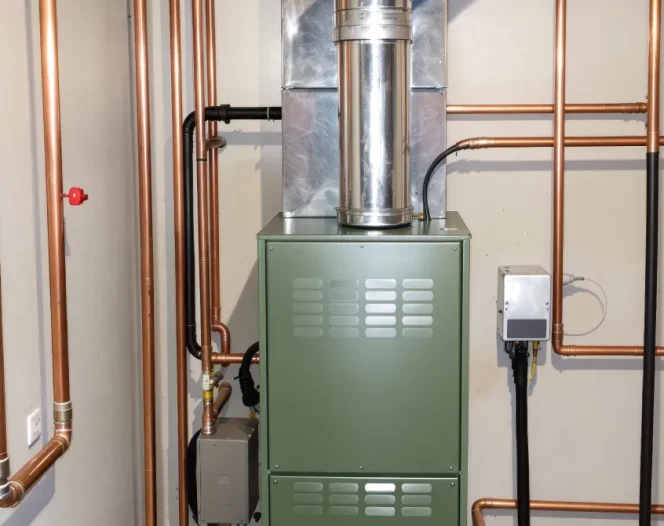
Residential heating installation may be needed when a home requires new heating equipment or when an older system is no longer meeting household needs. Replacement should be based on the property, fuel source, existing system, and heating requirements.
An aging heating system may begin requiring more frequent repairs or may struggle to maintain consistent indoor temperatures. Repeated shutdowns, ongoing component failures, or declining performance can indicate that replacement deserves consideration.
Residential heating replacement should not focus only on matching the old equipment. A home’s heating requirements may have changed over time, and the existing system may no longer be the most appropriate option for the property.
Heating installation can include boiler systems, oil heating equipment, natural gas heating systems, or other applicable residential equipment included within the existing setup.
High-efficiency heating systems may also be considered when a homeowner is evaluating replacement options. These systems are designed to use fuel more effectively, although actual performance depends on system design, property conditions, usage, and correct installation.
Proper system selection is important because equipment must be suited to the home it serves. A heating system should be evaluated in relation to the building, existing connections, and normal heating demand.
Residential heating installation should also account for how the new equipment works with the surrounding system. Controls, piping, distribution components, and other connections may need to be considered during replacement.
The goal is to install a heating system that fits the home and provides consistent operation instead of simply replacing equipment without reviewing the broader heating needs.
Heating systems often give warning signs before a major breakdown occurs. Recognizing these symptoms can help homeowners arrange residential heating services before the problem becomes more disruptive.
Common signs that a heating system may need attention include:
Residential heating repair may be appropriate when a specific component or operating problem can be corrected. The condition of the overall system should be considered when deciding whether repair is worthwhile.
Replacement may be more practical when heating equipment has repeated failures, significant wear, or a growing history of repair needs.
Home heating system repair can also be needed during sudden no-heat situations. When equipment stops working during cold weather, prompt troubleshooting can help determine what caused the failure and whether normal operation can be restored.
Residential heating maintenance may help identify some of these concerns before complete system failure occurs. Changes in sound, cycling, temperature control, or performance can provide clues that equipment should be checked.
Homeowners should also consider the frequency of problems. A single repair does not necessarily mean replacement is needed, but repeated breakdowns can signal that the equipment is becoming less reliable.
The purpose of residential heating services is to support consistent home comfort by matching repair, maintenance, installation, or replacement to the actual condition of the heating system.
Residential heating can include system repair, installation, replacement, maintenance, boiler work, oil and natural gas heating support, troubleshooting, and emergency repair.
Common signs include no heat, uneven temperatures, repeated shutdowns, unusual sounds, longer heating cycles, and difficulty maintaining the set temperature.
Maintenance can help identify performance changes, worn components, leaks, and other developing concerns before they contribute to a larger system failure.
Replacement may be considered when equipment repeatedly breaks down, requires frequent repairs, has significant wear, or no longer maintains comfortable indoor temperatures.
Yes. Residential heating can include troubleshooting, repair, maintenance, and replacement support for oil and natural gas heating systems.