Military and Senior Discounts Available
Kitchen & Bathroom Plumbing
Bathroom plumbing services help keep sinks, faucets, showers, tubs, toilets, drains, and water supply lines working properly. These fixtures and connections are used every day, so even a small plumbing problem can quickly interfere with normal routines.
Common bathroom plumbing issues include leaking faucets, slow drains, toilet problems, damaged supply lines, worn fixtures, and water around plumbing connections. Some concerns are limited to one fixture, while others may involve connected piping or drainage.
Kitchen plumbing can develop similar problems. Sinks, faucets, garbage disposal plumbing, dishwasher connections, supply lines, and drains all depend on correct installation and reliable water flow. A leak beneath a sink, slow kitchen drain, or faulty connection can make cooking and cleanup more difficult and may lead to water damage if ignored.
Bathroom plumbing repair and kitchen plumbing repair focus on identifying the source of the problem and determining whether repair, replacement, or another plumbing step is appropriate. Plumbing work may also be needed when fixtures are being updated or when kitchens and bathrooms are undergoing changes.
Whether the issue involves a shower, sink, toilet, faucet, drain, garbage disposal connection, or water line, the goal is to restore proper function and keep essential plumbing ready for daily use.
Bathrooms contain several plumbing fixtures within a relatively small area, which means many components depend on one another. Sinks, toilets, showers, tubs, faucets, drains, valves, and supply lines all need to function correctly for the space to remain usable.
Bathroom plumbing repair may be needed when a faucet drips, a drain slows down, a toilet begins leaking, or water appears around a fixture. These issues can have different causes, so identifying the source is important before repair begins.
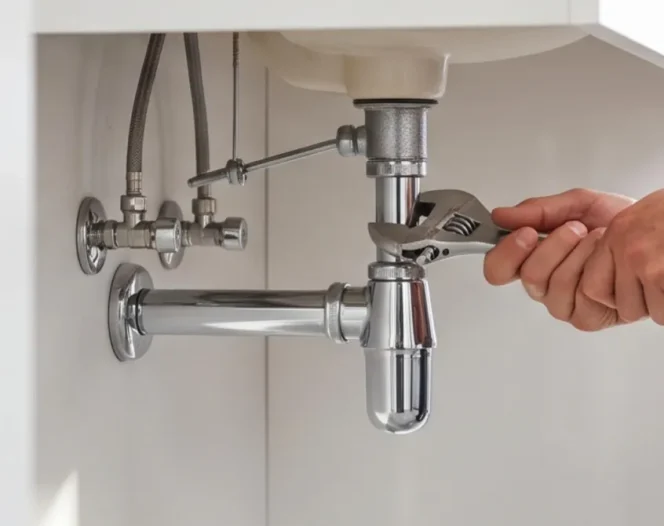
A leaking faucet may involve a worn internal part, while moisture beneath a sink can come from a supply line, connection, drain fitting, or valve. Water around a toilet may point to a seal, connection, or fixture problem. Shower plumbing can develop leaks around valves, supply connections, drains, or other components.
Bathroom plumbing service can also address drainage problems. Hair, soap residue, and other materials may accumulate in sinks, tubs, and showers, causing water to drain more slowly. If the same drain repeatedly becomes clogged, further evaluation may be needed to determine whether the problem extends beyond ordinary buildup.
Fixture replacement may be appropriate when an existing sink, faucet, toilet, or other component is worn, damaged, or no longer functioning as intended. Proper installation helps ensure new fixtures connect correctly to the water supply and drainage system.
Supply lines are another important part of bathroom plumbing. These connections carry water to toilets, faucets, and other fixtures. A damaged or leaking line can create moisture quickly, especially if the leak remains active.
Bathroom plumbing services may include:
Addressing these issues promptly can help keep the bathroom functional and reduce the chance of water spreading into nearby flooring, cabinetry, or walls.
From plumbing trouble to heating equipment concerns, talk with our team about the issue affecting your home or business.
Kitchen plumbing supports many everyday tasks, from cooking and cleaning to using appliances and washing dishes. When a sink, faucet, drain, garbage disposal connection, or dishwasher line develops a problem, the disruption can affect the entire kitchen.
Kitchen plumbing repair may begin with the sink and faucet. Leaks can develop around faucet components, supply connections, valves, or drain fittings. Even a small drip can waste water over time, while a larger leak beneath the sink can damage cabinetry or nearby materials.
Kitchen drains can also experience frequent buildup. Grease, food particles, soap residue, and other materials can collect inside the drain line and reduce water flow. A slow kitchen drain may eventually become fully blocked if the buildup continues.
Garbage disposal plumbing can involve the unit’s drain connections and surrounding piping. If these connections leak or drainage becomes restricted, water may collect beneath the sink or back up during use. The exact cause should be identified before repair or replacement is considered.
Dishwasher plumbing connections also rely on correct water supply and drainage. A loose connection, damaged line, or drainage issue can lead to leaks or poor appliance performance.
Kitchen plumbing service can include sink plumbing, faucet installation and repair, garbage disposal plumbing, dishwasher connections, water supply line work, drain repair, fixture replacement, and kitchen plumbing repair.
Problems in one kitchen plumbing component can sometimes affect another. For example, a drainage issue may influence how both the sink and connected appliance drain.
Professional evaluation helps determine whether the issue is isolated to one fixture or connected to a larger plumbing concern. That distinction can help avoid repeated repairs that do not address the actual source.
Kitchen and bathroom plumbing work is not limited to repairs. Plumbing installation may also be needed when fixtures are being replaced, layouts are changing, or existing connections need to be updated.
A new faucet, sink, toilet, shower, or other fixture must connect properly to existing water and drainage lines. If the new fixture differs from what was previously installed, adjustments to valves, piping, or connections may be required.
Bathroom plumbing services can support changes such as replacing an older toilet, updating a sink, installing a different faucet, or modifying shower plumbing. Each fixture should be matched to the existing plumbing layout so water reaches the fixture correctly and wastewater drains away as intended.
Kitchen plumbing installation may involve new sinks, faucets, disposals, dishwasher connections, or supply lines. Plumbing should be planned around the fixture location and the way the kitchen will be used.
Plumbing work can also be necessary when an existing kitchen or bathroom has aging components. Old valves, damaged supply lines, worn drain fittings, or deteriorated fixture connections may become more noticeable during an update.
The goal is to make sure new or replacement fixtures work correctly with the surrounding plumbing system. A fixture can look updated while still performing poorly if the underlying connections are not installed properly.
Kitchen and bathroom plumbing changes may involve connecting new fixtures, replacing worn supply lines, updating valves and fittings, adjusting drain connections, replacing damaged plumbing components, and supporting new sink, toilet, shower, or appliance connections.
Careful plumbing work helps reduce leaks, drainage problems, and connection issues after the update is complete.
Many kitchen and bathroom plumbing problems begin with small warning signs. Paying attention to these changes can help property owners arrange service before the issue becomes more disruptive.
Faucets that continue dripping, water beneath sinks or cabinets, toilets that leak or run, slow shower drains, kitchen sinks that back up, and moisture around fixture connections can all indicate that plumbing attention is needed.
Garbage disposal plumbing may also show signs of trouble when water appears beneath the sink or drainage no longer works correctly. Dishwasher supply or drain connections can create similar concerns when moisture appears near the appliance.
Reduced water flow from faucets or showers can also point to a fixture, valve, supply, or connection issue. When a fixture no longer operates correctly, the surrounding plumbing should be evaluated to determine what is causing the change.
Bathroom plumbing repair may be appropriate when a leak, drainage issue, fixture problem, or supply line concern begins affecting normal use. Kitchen plumbing repair may be needed when sinks, faucets, drains, disposal connections, or appliance lines stop working properly.
Repeated problems deserve additional attention. A sink that continues leaking after minor repair may have another worn component. A drain that repeatedly clogs may require more than basic clearing. Water returning around the same fixture may indicate that the original source was not fully addressed.
Property owners should also be alert to unexplained moisture. Water can travel from a connection and appear in another area, so the visible location is not always the exact source.
Professional plumbing service helps identify whether the concern involves the fixture, the connection, the water supply, or the drain. This makes it easier to determine whether repair or replacement is the appropriate next step.
Timely attention can help keep kitchens and bathrooms usable while reducing the chance of water damage to surrounding materials.
Bathroom plumbing can include sinks, faucets, showers, tubs, toilets, drains, water supply lines, fixture replacement, and plumbing repairs.
Yes. Kitchen plumbing may include garbage disposal plumbing, dishwasher water and drain connections, sinks, faucets, drains, and supply lines.
Leaks may come from faucet connections, supply lines, valves, drain fittings, or other plumbing components beneath the sink.
Yes. A slow drain may be caused by ordinary buildup, but recurring drainage problems can indicate a condition that requires further evaluation or repair.
Yes. Plumbing work can support new or replacement sinks, faucets, toilets, showers, disposals, dishwasher connections, and related supply or drain components.