Military and Senior Discounts Available
Commercial Heating
Commercial heating services help maintain comfortable indoor conditions across offices, retail spaces, multi-unit properties, commercial buildings, and other facilities. Heating systems in these environments often operate for long periods and may serve larger areas, which makes timely repair, routine maintenance, and proper installation important.
A commercial heating problem can affect employees, customers, tenants, and normal building operations. Uneven temperatures, system shutdowns, unusual noises, boiler problems, or equipment that struggles to maintain the set temperature may indicate that the system needs attention.
Commercial heating repair focuses on identifying the cause of a performance problem and determining what part of the system requires service. Commercial heating maintenance can help identify worn components, operating changes, or developing issues before they lead to a larger interruption.
Installation and replacement may also be appropriate when existing equipment is aging, repeatedly failing, or no longer meeting the heating demands of the property.
Commercial heating systems vary by building type, equipment, fuel source, and layout, so the right approach should reflect the actual system in place. Proper service helps support steady operation, indoor comfort, and better awareness of equipment condition throughout the heating season.
Commercial heating systems can show signs of trouble before they stop working completely. A building may develop cold areas, inconsistent temperatures, longer heating cycles, repeated shutdowns, or unusual system noises. These changes can make indoor conditions uncomfortable and may point to a developing mechanical or system issue.
Commercial heating repair begins with identifying where the problem is occurring. The issue may involve a boiler, control, circulation component, piping, valve, fuel-related part, or another section of the heating system.
Uneven heating is one common concern. Some areas may remain comfortable while others stay noticeably colder. This can indicate that heat is not moving through the property as intended or that part of the system is not responding correctly.
Repeated cycling can also signal trouble. A system that turns on and off frequently without maintaining the desired temperature may be struggling to operate normally.
Commercial boiler service may be needed when boiler-based equipment develops leaks, pressure concerns, unusual noises, temperature problems, or shutdowns. Because the boiler is a central part of many heating systems, a problem at the equipment level can affect multiple areas of the building.
Commercial heating repair should address the cause of the symptom rather than only restoring temporary operation. A system may start again after a reset, but repeated failures can indicate that a component or operating condition still needs attention.
Prompt service can help reduce the chance of a smaller heating issue becoming a larger interruption during cold weather.
From plumbing trouble to heating equipment concerns, talk with our team about the issue affecting your home or business.
Commercial heating maintenance provides an opportunity to review system performance and identify concerns before they develop into unexpected failures. Routine attention can be especially useful for equipment that operates frequently during the heating season.
Maintenance needs depend on the type of system, building use, equipment age, and operating demands. A commercial property with extensive heating equipment may require a different service approach than a smaller office or retail space.
Commercial heating maintenance may include reviewing visible system components, checking operating behavior, evaluating temperature concerns, and identifying signs of wear or leakage.
Commercial boiler maintenance can also help monitor boiler performance. Pressure changes, leaks, unusual sounds, or inconsistent heating may indicate that a component needs service.
Preventive attention can be useful when a property has a history of recurring heating problems. If the same equipment repeatedly shuts down or struggles to maintain temperature, maintenance can help determine whether repair or replacement planning should be considered.
Commercial heating systems may also change in performance over time. A system that once heated the building evenly may begin taking longer to reach the desired temperature. These gradual changes can provide useful clues about equipment condition.
Routine maintenance does not prevent every possible failure, but it can provide property owners and managers with a clearer picture of how the system is operating.
Keeping track of prior repairs, recurring symptoms, and equipment age can also support better planning for future commercial heating repair or replacement.
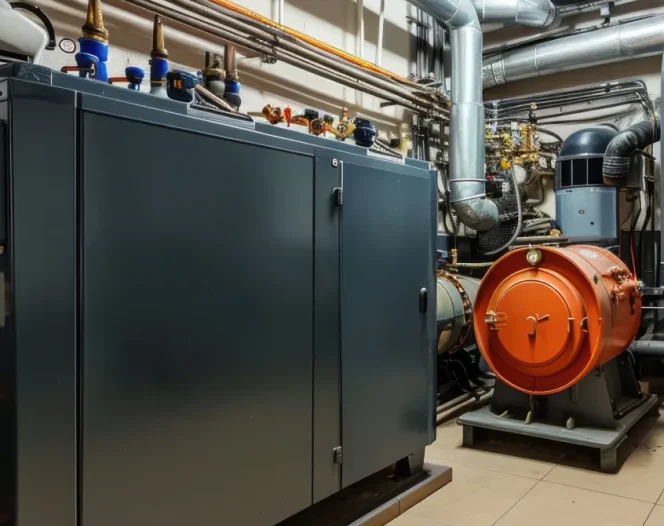
Commercial heating installation should reflect the property, equipment type, heating demand, and existing system configuration. A new system must be suited to the building it will serve rather than selected without considering actual operating needs.
Commercial heating replacement may be appropriate when existing equipment has frequent breakdowns, cannot maintain indoor temperatures, requires repeated repair, or no longer fits the property’s heating demands.
Commercial heating installation can involve boilers or other heating equipment, system connections, controls, and related components. Each part must work with the existing building layout and heating distribution system.
Commercial boiler installation requires particular attention to system sizing, fuel source, piping, and the heating requirements of the property. Equipment that does not match the building can struggle to operate efficiently or maintain consistent temperatures.
High-efficiency heating systems may also be considered when replacing older equipment. These systems are designed to use fuel more effectively, although actual performance depends on system design, building conditions, operating patterns, and correct installation.
Commercial heating replacement should also consider how the building is currently used. Occupancy levels, operating hours, room layout, and changes made since the original equipment was installed may affect current heating needs.
Proper planning can help reduce the chance of replacing old equipment with a new system that still does not serve the building correctly.
The goal of installation or replacement is to provide heating equipment that matches the property’s needs and integrates correctly with the surrounding system.
Commercial heating systems can develop problems gradually, so recognizing early warning signs can help property owners arrange service before indoor conditions become difficult to manage.
Common signs that commercial heating service may be needed include:
Commercial heating repair may be appropriate when the problem involves a component that can be corrected without replacing the entire system. The condition of the equipment should be evaluated before deciding on the next step.
Commercial heating replacement may make more sense when the system has repeated failures, significant wear, or ongoing problems that affect building comfort and operation.
Commercial boiler service can help determine whether a boiler-related issue is repairable or whether replacement should be considered.
Property managers should also pay attention to recurring symptoms. A system that repeatedly needs the same type of repair may have a larger condition that deserves closer review.
Commercial heating maintenance can provide useful information before a major failure occurs. Routine service can help identify performance changes that may otherwise go unnoticed until the system stops working.
The purpose of commercial heating services is to support safe, steady heating and reduce unnecessary disruption. Whether the need involves repair, maintenance, installation, replacement, or boiler work, service should be matched to the condition of the equipment and the heating requirements of the property.
Commercial heating can include repair, maintenance, installation, replacement, boiler work, system troubleshooting, and emergency heating support.
Common signs include uneven temperatures, repeated shutdowns, unusual noises, boiler leaks, longer heating cycles, and difficulty maintaining the set temperature.
Maintenance can help identify worn components, performance changes, leaks, and other developing issues before they lead to a larger system failure.
Replacement may be considered when equipment has repeated breakdowns, significant wear, ongoing repair needs, or can no longer meet the heating requirements of the property.
Yes. Commercial boiler service can include maintenance, repair, installation, replacement, and troubleshooting for boiler-based heating systems.